3D Heart Layered - Svg Dxf Eps Ai Png Pd: A Versatile Design for Multiple Uses
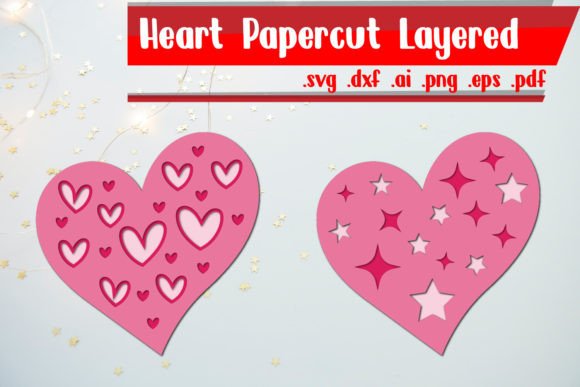
The 3D Heart Layered design is a popular choice for those looking to create intricate, multi-dimensional heart shapes for various applications. This digital file package includes multiple formats such as SVG, DXF, AI, EPS, PDF, and PNG, making it accessible for both digital and physical creation. Whether you're using a cutting machine or hand-cutting the design, this package offers flexibility and convenience.
Each design is organized into its own folder within a zip file, ensuring that users can easily locate and access the specific format they need. The availability of multiple file types means that the design can be adapted to different tools and software, depending on the user's preferences and equipment.
What Makes 3D Heart Layered Unique?
The 3D Heart Layered design stands out due to its detailed structure and adaptability. Unlike flat heart designs, this version adds depth and dimension, allowing for more creative expression in projects. The layered approach enables users to build a three-dimensional effect, which can be especially useful for crafts, signage, or decorative pieces.
One of the key features of this design is its compatibility with a wide range of tools. The inclusion of SVG, DXF, and AI files makes it suitable for use with cutting machines like Cricut or Silhouette, while the PDF and PNG formats are ideal for printing or digital editing. This versatility ensures that the design can be used in various contexts without requiring additional conversions or edits.
Comparing 3D Heart Layered with Other Options
When compared to other heart designs, the 3D Heart Layered option offers a more complex and visually engaging result. Flat heart designs, for example, may be simpler to create but lack the depth and detail that a layered approach provides. Similarly, some 2D designs may not offer the same level of customization or adaptability across different platforms.
For users who prioritize ease of use, simpler heart templates might be more appealing. However, these often come with fewer options for modification or integration with different tools. The 3D Heart Layered design, on the other hand, provides a balance between complexity and usability, making it a good choice for those who want to explore more advanced techniques.
Strengths and Tradeoffs of 3D Heart Layered
A major strength of the 3D Heart Layered design is its ability to work with a variety of software and hardware. The multiple file formats allow users to choose the most convenient option for their workflow. For instance, graphic designers may prefer the AI or EPS files for editing, while crafters might find the SVG or DXF formats more practical for cutting machines.
However, there are tradeoffs to consider. The layered nature of the design may require more time and effort to assemble, especially if the user is hand-cutting the pieces. Additionally, not all users may have access to the necessary tools or software to fully utilize all the file formats included in the package. This could limit the effectiveness of the design for some individuals.
Best Fit Situations for 3D Heart Layered
The 3D Heart Layered design is particularly well-suited for users who are working on projects that require a high level of detail and customization. It is ideal for crafters, graphic designers, and hobbyists who want to create unique, personalized items. The design’s layered structure also makes it a good choice for those looking to experiment with different materials and techniques.
For example, someone creating a custom wedding decoration might find the 3D Heart Layered design more appealing than a basic heart template. The added depth and complexity can enhance the visual impact of the final product, making it stand out in a crowd. Similarly, a business owner looking to create promotional materials might appreciate the flexibility of having multiple file formats available for different uses.
When 3D Heart Layered May Not Be the Right Choice
While the 3D Heart Layered design offers many benefits, it may not be the best option for everyone. Users who are new to digital design or cutting machines may find the layered approach overwhelming. In such cases, a simpler heart design that requires less setup or assembly might be more appropriate.
Additionally, those with limited access to certain tools or software may struggle to take full advantage of the design’s features. For instance, without a cutting machine, the SVG or DXF files may not be as useful as the PDF or PNG formats. It’s important to assess your available resources and skill level before deciding whether this design is the right fit for your needs.
Practical Examples of Use Cases
The 3D Heart Layered design can be used in a variety of real-world scenarios. One common application is in crafting, where the design can be cut from materials like cardboard, foam, or fabric to create 3D decorations. These can be used for events, gifts, or home decor, adding a personal touch to any project.
Another use case involves digital art and graphic design. The AI and EPS files are well-suited for editing in professional design software, allowing artists to modify the design to fit their creative vision. This flexibility makes the 3D Heart Layered design a valuable resource for those working on branding, marketing, or artistic projects.
Final Thoughts on 3D Heart Layered
The 3D Heart Layered design offers a unique combination of detail, versatility, and adaptability. Its multiple file formats make it accessible for a wide range of users, from casual crafters to professional designers. While it may require more effort to set up and assemble compared to simpler designs, the results can be highly rewarding.
Ultimately, the decision to use this design depends on individual needs, skills, and resources. By understanding the strengths and limitations of the 3D Heart Layered option, users can make an informed choice about whether it aligns with their goals and preferences. Whether you’re looking for a creative challenge or a practical solution, this design provides a solid foundation for exploration and experimentation.