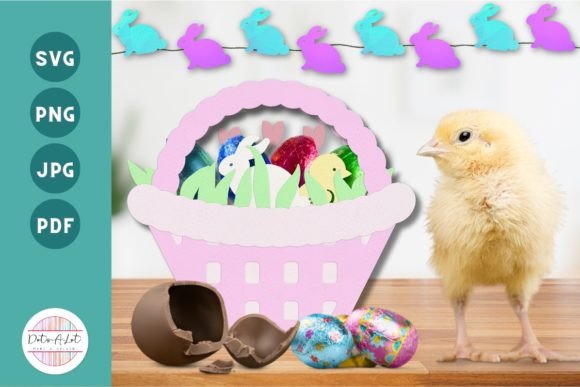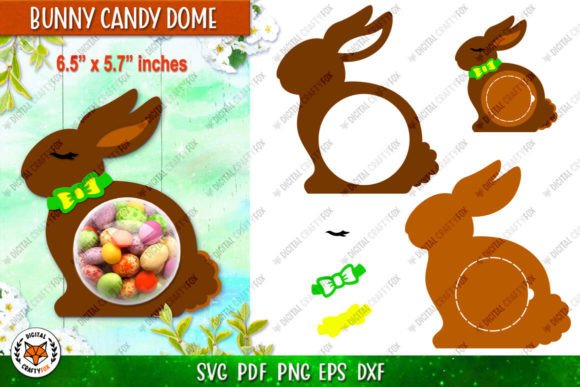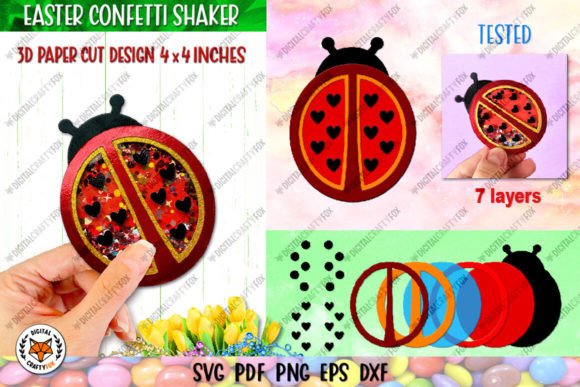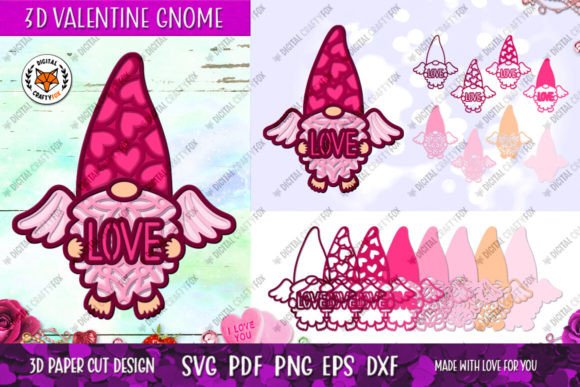
Bringing Spring to Life with 3D Layered Easter Decoration
There is a distinct difference between hanging a flat paper cutout on your wall and creating a piece of art that casts shadows, creates depth, and invites the eye to explore its contours. This is the magic behind 3D Layered Easter Decoration. Unlike traditional single-layer crafts that can feel a bit one-dimensional, these designs utilize a 3D multilayer design approach to build volume and texture. Whether you are a seasoned crafter with a workshop full of tools or a hobbyist looking for a unique weekend project, understanding how to leverage these layered files can transform your seasonal decor, gift-giving, and even small business offerings.
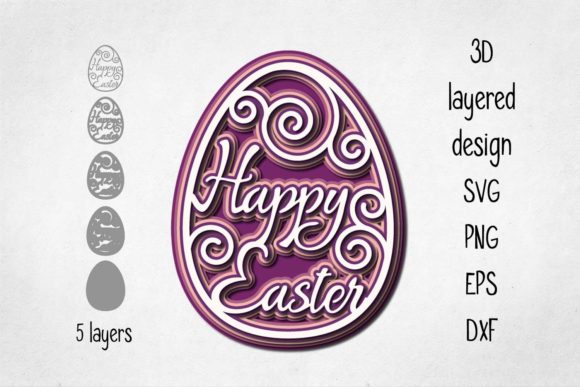
At its core, this type of decoration consists of several distinct layers that stack upon one another. When assembled, they create a dimensional scene—perhaps a bunny peeking through tall grass, an intricate egg pattern, or a springtime floral arrangement. The beauty of this system lies in its flexibility. You aren't locked into a single look. You can choose to use every single layer provided in the file for maximum depth, or you might decide that a simpler aesthetic suits your space better and opt to use only 2-3 layers. This adaptability makes it a powerful tool for creators who need to match specific color schemes or material constraints.
Material Versatility for Every Creator
One of the most practical aspects of working with these designs is the freedom to choose your medium. While many people immediately think of card stock when they hear "paper craft," the potential goes far beyond scrapbook paper. If you have access to a laser cutter or a CNC machine, you can translate these same digital files into wood, plywood, or MDF. Imagine a rustic wooden sign for your front porch featuring a layered Easter motif, stained in warm tones to complement your home's exterior. Alternatively, plastic or acrylic sheets can be used to create modern, translucent wall art that catches the light beautifully.
For those working with standard cutting machines like the Cricut or Silhouette, heavy card stock remains a favorite. It holds its shape well and comes in an endless array of colors. The ability to mix materials is also an option; perhaps the base layer is a sturdy piece of painted wood, while the delicate top details are cut from vibrant paper. This cross-material capability means the 3D Layered Easter Decoration isn't just a paper project; it is a versatile design asset that adapts to the tools and materials you already own.
Real-World Applications Beyond the Living Room
When considering where to use these decorations, the possibilities extend well beyond your own mantlepiece. For homeowners, these pieces serve as excellent wall decor that can be swapped out seasonally without requiring a complete renovation of your style. Because the design is over 8 inches (20 cm) at its widest point, it makes a substantial statement on a blank wall or above a fireplace. However, the scale also makes it perfect for tabletop displays. A layered centerpiece on a dining table adds height and visual interest that flat placemats simply cannot achieve.
Entrepreneurs and small business owners, particularly those selling on platforms like Etsy or at local craft fairs, will find immense value in these files. Handmade, dimensional goods often command higher price points than flat items because they perceived as more labor-intensive and artistic. By offering customized color combinations or material upgrades (such as switching from paper to wood), sellers can cater to niche markets. A boutique owner might use these designs to create window displays that draw customers in during the spring rush, while a real estate agent could use them as staging elements to make a property feel warm and lived-in during open houses.
Educators and camp leaders can also utilize these designs for group projects. Because the layers can be separated, different students can be responsible for cutting and coloring specific parts of the design before assembling the final piece together. This fosters collaboration and teaches spatial reasoning. Furthermore, the resulting artwork is sturdy enough to be taken home as a cherished keepsake, unlike flimsier crafts that often end up in the trash.
The Art of Gifting with Depth
Finding a meaningful gift for your friends and loved ones can often feel challenging, especially when trying to avoid generic store-bought items. A handmade 3D decoration shows a level of thoughtfulness that mass-produced goods lack. You can tailor the color palette to match the recipient's home decor perfectly. For a new parent, a soft pastel-layered bunny might be the perfect nursery accent. For a friend who loves gardening, a floral-themed layered cutout framed in reclaimed wood could be a touching gesture.
The personalization doesn't stop at colors. Since you receive the source files, you have the creative license to add names, dates, or short messages to the background layers before cutting. This turns a decorative item into a commemorative piece. When you give a gift that involves multiple layers of effort and customization, the recipient feels the care put into every step of the process.
Technical Considerations for Success
While the creative potential is vast, there are technical factors to consider before diving in to ensure your project is a success. The design provided typically comes in a ZIP folder containing multiple file formats: SVG, PNG, EPS, and DXF. This variety ensures compatibility with almost any machine or software you might be using. Whether you are importing into Adobe Illustrator, Cricut Design Space, Silhouette Studio, or a vector program for laser cutting, having the right format is crucial.
A critical point to remember involves scaling. The original design is optimized for a size over 8 inches (20 cm). If you intend to resize the design for smaller projects, such as gift tags or cupcake toppers, you must proceed with caution. The 3D multilayer design relies on thin elements to create detail. When you shrink the overall dimensions, these thin bridges and delicate connections may become too fragile to cut cleanly or may break during the weeding and assembly process. Always test a single layer at your desired reduced size before committing to cutting the entire stack.
Additionally, consider the thickness of your material relative to the number of layers. If you are using thick plywood or multiple sheets of heavy card stock, the side profile of your decoration will become quite deep. You may need to use spacer dots or foam adhesive squares between layers to maintain the intended spacing and prevent the layers from crushing each other. Planning your assembly method beforehand saves time and frustration.
Making the Most of Your Digital Assets
Ultimately, investing in a high-quality digital file is about efficiency and creative freedom. Instead of drawing complex scenes from scratch, you start with a professional foundation that allows you to focus on execution and styling. The inclusion of a high-resolution PNG (300 dpi) with a transparent background is particularly useful for those who might want to incorporate the image into digital invitations, social media graphics, or printable stationery, expanding the utility of the purchase beyond physical crafting.
Whether you are looking to refresh your home decor, launch a new product line, or simply enjoy a relaxing afternoon creating something beautiful, 3D Layered Easter Decoration offers a robust solution. It bridges the gap between digital convenience and tactile artistry. By understanding the materials, respecting the design limitations regarding sizing, and exploring the various ways these layers can be combined, you unlock a world of springtime creativity that feels fresh, professional, and uniquely yours.