Crafting Depth: The Ski Lift 3D Shadow Box
There is a specific kind of satisfaction that comes from transforming a flat sheet of paper into a scene with tangible depth. It bridges the gap between digital design and physical craft, offering a tactile experience that screens simply cannot replicate. The Ski Lift 3D Shadow Box Paper Cut represents this intersection perfectly. It is not merely a template; it is a structured invitation to explore layering, light, and composition. Whether you are a seasoned graphic designer looking to expand your portfolio into physical goods, a hobbyist seeking a weekend project, or a small business owner curating unique inventory, this layered square paper-cutting template offers a versatile foundation for creativity.
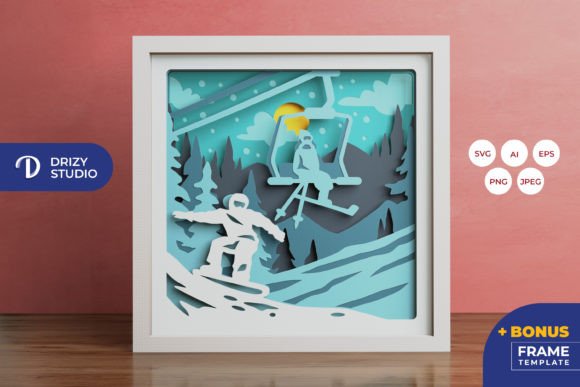
At its core, this project utilizes the principle of parallax through physical layers. The template typically arrives in a comprehensive suite of formats, including AI, EPS, PNG, SVG, and high-resolution JPEGs. This variety ensures that regardless of your preferred workflow—whether you are using professional vector software or relying on browser-based tools—you have the necessary assets to begin. The design features seven distinct layers, each contributing to the overall narrative of a gondola ride suspended in a mountainous landscape. When assembled within a frame measuring approximately 20.32×20.32 cm, these layers create a window into a serene winter scene, capturing the quiet majesty of a ski lift against a backdrop of peaks and sky.
The Mechanics of Layered Design
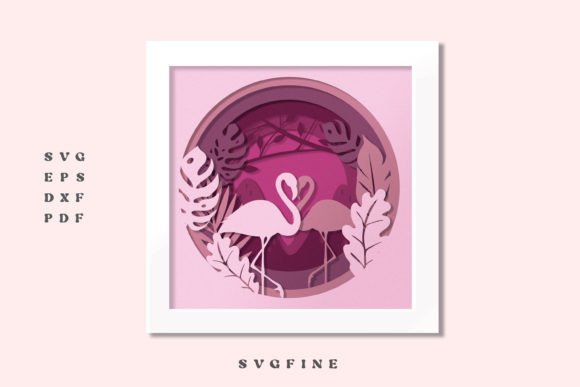
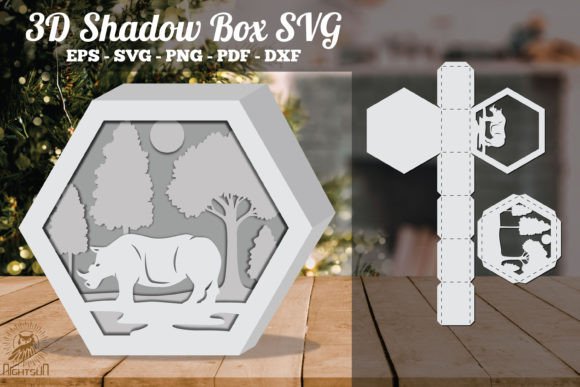
Understanding the mechanics behind a Ski Lift 3D Shadow Box is essential for achieving a professional finish. The magic lies in the spacing between the layers. While the digital files provide the cut paths, the physical assembly requires careful consideration of depth. Using foam tape, spacers, or folded cardstock between each of the seven layers creates the shadow effects that give the piece its name. These shadows are not defects; they are integral design elements that enhance the perception of distance and atmosphere.
For those utilizing cutting machines like Silhouette or Cricut, the included SVG file is a significant time-saver. It allows for precise cuts that would be tedious to achieve by hand, ensuring that intricate details like the cables of the lift or the texture of the snow remain crisp. However, the design is equally accessible to those who prefer traditional methods. With a sharp art knife, a steady hand, and patience, you can manually cut the PNG or printed JPEG versions. This flexibility makes the project inclusive for various skill levels, encouraging both tech-savvy makers and traditional crafters to engage with the medium.
Lighting as a Design Element
One of the most transformative applications of this template is converting it into a lightbox. By integrating LED strips between the layers, the Gondola Ride 3D Shadow Box shifts from a daytime decoration to an ambient light source. The light filters through the paper, highlighting the translucency of certain areas while casting deeper shadows in others. This technique is particularly effective for creating mood lighting in living spaces, offices, or retail environments.
When adapting the design for illumination, material selection becomes critical. Standard cardstock may block too much light, so experimenting with parchment paper, vellum, or specialized translucent papers can yield ethereal results. The color temperature of the LEDs also plays a role; a warm white light enhances the cozy, cabin-like feel of a ski scene, while a cool daylight balance emphasizes the crispness of the snow and ice. This adaptability allows creators to tailor the final output to specific interior design needs or seasonal themes.
Diverse Applications for Creators and Entrepreneurs
The utility of the Ski Lift 3D Shadow Box Paper Cut extends far beyond personal home decor. For educators and workshop leaders, this project serves as an excellent teaching tool for spatial reasoning and design principles. It demonstrates how two-dimensional plans translate into three-dimensional structures, providing students with a hands-on lesson in engineering and aesthetics. The step-by-step assembly process fosters patience and fine motor skills, making it suitable for older children and adults alike.
From a commercial perspective, small business owners and freelancers can leverage this template to create high-margin products. Handcrafted shadow boxes are highly valued in the marketplace for their uniqueness and the labor involved in their creation. You might offer custom color variations to match a client's brand palette or resize the design to fit specific frame dimensions available in your local market. Since SVG files can be resized while maintaining aspect ratio, you have the freedom to scale the project up for a statement wall piece or down for a desktop accessory without losing detail integrity.
Marketers and content creators can also use the assembly process as engaging visual content. Time-lapse videos of the cutting and layering process perform well on social media platforms, showcasing the craftsmanship behind the product. This "behind-the-scenes" transparency builds trust and appreciation among audiences, aligning with E-E-A-T principles by demonstrating expertise and authentic creation processes.
Maintaining Quality and Consistency
To ensure your final product meets professional standards, attention to detail during the assembly phase is paramount. Keep your workspace organized and clean; dust or glue smudges can become glaringly obvious once the frame is sealed. When applying adhesive, use double-sided tape or precision glue applicators to avoid bulkiness that could distort the alignment of the layers. It is advisable to do a dry run of the assembly before committing to permanent adhesion. This allows you to check the spacing and adjust the shadow depth if necessary.
Color consistency is another factor to consider. As noted in product previews, final colors may vary slightly due to lighting sources and the specific paper stock used. To mitigate this, test your chosen paper under the intended lighting conditions before cutting all seven layers. If you are producing multiple units for sale, source your materials from the same batch to ensure uniformity across your inventory. Originality can be injected through the choice of backing colors or the addition of subtle hand-painted details on the foreground layers, allowing each piece to carry a unique signature while retaining the structural integrity of the original design.
Ultimately, the Ski Lift 3D Shadow Box is a testament to the enduring appeal of paper crafts in a digital age. It invites you to slow down, focus on the details, and create something physically present and visually striking. Whether framed as a wall decoration or illuminated as a night light, it offers a blend of nostalgia and modern design that resonates with a wide audience. By understanding the technical nuances and exploring the creative possibilities, you can transform a simple digital file into a cherished object of art.