Strategic Design Decisions: Leveraging Race Car Numbers 3D SVG for Branding and Production Efficiency
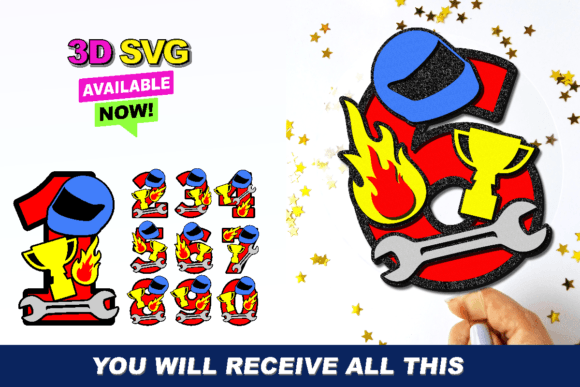
In the landscape of digital fabrication and custom merchandise, the difference between a hobbyist project and a viable product line often comes down to asset quality and strategic application. The Race Car Numbers 3D SVG collection represents more than just a set of graphical files; it is a functional tool for creators who need to balance aesthetic appeal with production feasibility. When you download this package, you are acquiring a zipped folder containing numbers 0-9, specifically engineered to perform well in vector-based cutting software like Silhouette Studio and Cricut Design Space. However, the true value lies not in the download itself, but in how intentionally you integrate these assets into your broader workflow, whether that involves creating cake toppers for a local bakery, printing shirts for a sports league, or developing stickers for a niche automotive brand.
Understanding the utility of these files requires a shift in perspective from simple decoration to operational efficiency. A 3D SVG file differs significantly from a standard flat vector. It contains layered information or specific pathing instructions that allow cutting machines to interpret depth, shadow, or multi-material assembly without requiring the user to manually reconstruct the geometry. For entrepreneurs and small business owners, time is the most scarce resource. By utilizing a pre-engineered Race Car Numbers 3D SVG set, you eliminate the hours typically spent designing numerals that look dimensional yet remain cuttable. This allows you to redirect your focus toward market positioning, customer acquisition, and quality control.
Optimizing Production Workflows with Pre-Engineered Assets
The primary strategic advantage of using a dedicated 3D SVG collection is the reduction of technical friction during the production phase. When working with vinyl cutters or laser engravers, file integrity is paramount. Poorly constructed vectors can lead to weeding nightmares, misaligned layers, or wasted material. The numbers 0-9 included in this zip folder are optimized for compatibility, ensuring that when you import them into Silhouette Studio or Cricut Design Space, the nodes and paths behave predictably. This reliability is crucial when scaling operations. If you are fulfilling an order for fifty birthday celebration kits or a batch of team jerseys, consistency across every unit is non-negotiable.
Consider the scenario of a custom apparel shop preparing for a racing season. The demand for personalized driver numbers is high, but the turnaround time is short. Using a generic font and attempting to manually add 3D effects often results in files that are too complex for the machine to cut cleanly or too simple to look professional. The Race Car Numbers 3D SVG solves this by providing a standardized yet dynamic look that translates well to various materials, from heat transfer vinyl (HTV) to adhesive sticker stock. This standardization allows you to create a repeatable process: import, size, cut, apply. Such streamlined operations reduce the margin for error and increase overall throughput.
Furthermore, compatibility extends beyond the major brands. While these files are tested for Silhouette and Cricut ecosystems, the underlying SVG format is universal. If you are using a different type of machine, such as a Glowforge or a Brother ScanNCut, the strategic step is to verify your machine's ability to interpret layered SVG data. Most modern vector software can handle these files, but a prudent operator always runs a test cut on scrap material before committing to a full production run. This due diligence prevents costly mistakes and ensures that the "3D" effect renders correctly on your specific hardware setup.
Enhancing Brand Positioning Through Visual Depth
Beyond the mechanics of cutting, there is a significant marketing component to choosing 3D assets over flat alternatives. In a saturated market, visual hierarchy dictates consumer attention. Flat numbers can appear utilitarian or generic, whereas a Race Car Numbers 3D SVG implies motion, speed, and professionalism. This subtle psychological cue can elevate the perceived value of your end product. For a parent ordering a cake topper, the dimensional look suggests a higher level of care and customization. For a corporate client ordering team uniforms, it signals a polished, cohesive brand identity.
Strategic branding is about consistency and recognition. When you use a distinct style of numerals across all your deliverables—stickers, shirts, and decorations—you create a visual language that customers associate with your business. The race car theme specifically taps into a demographic that values energy and competition. Whether you are marketing to young children for a birthday party or adults for a charity go-kart event, the aesthetic resonance of these numbers helps align your product with the customer's emotional state. This alignment is a key driver in conversion rates and customer satisfaction.
It is also worth noting the versatility of these assets in diverse applications. The same file used for a vinyl decal on a water bottle can be adapted for a printed sublimation shirt or a layered paper craft. This cross-platform utility means you can expand your product offerings without investing in new design resources. You might start by selling cake toppers, but with the same asset library, you can easily pivot to offering matching party favors or commemorative stickers. This flexibility is essential for freelancers and bloggers looking to diversify their revenue streams with minimal overhead.
Risk Management and Intentional Implementation
While the benefits are clear, relying on any pre-made asset without a clear strategy carries risks. The most common pitfall is the "random application" of design elements. Simply because you have a Race Car Numbers 3D SVG file does not mean it fits every project context. Using a high-energy, racing-themed numeral on a serene, minimalist wedding invitation, for example, would create cognitive dissonance and confuse the audience. Strategic decision-making involves auditing your project goals before selecting your tools. Ask yourself: Does this visual style support the message I am trying to convey? Will this complexity add value, or will it complicate the user experience?
Another risk involves technical overconfidence. Even with optimized files, material variables can alter outcomes. What works perfectly on premium gloss vinyl might fail on a textured cardstock. Professionals mitigate this by maintaining a log of material settings and performing regular calibration checks. Do not assume that because the file is "easy to cut," it is immune to environmental factors like blade wear, mat stickiness, or software updates. Treat the Race Car Numbers 3D SVG as a high-quality component in a larger system that requires ongoing maintenance and monitoring.
Additionally, consider the intellectual property and licensing implications if you are reselling products made with these files. While the download grants you usage rights for creation, always review the specific terms regarding commercial resale. Some creators allow unlimited physical sales, while others may have restrictions on mass production or digital redistribution. Ensuring compliance protects your business from legal complications and maintains your reputation in the creator community.
Long-Term Value and Scalability
The ultimate goal of integrating tools like the Race Car Numbers 3D SVG into your workflow is to build a sustainable, scalable operation. By mastering a core set of reliable assets, you free up mental bandwidth to focus on growth strategies. Instead of reinventing the wheel for every order, you refine your execution. You learn which colors sell best, which sizes are most popular, and how to bundle products for higher average order values. The efficiency gained from using pre-designed, 3D-optimized numerals compounds over time, leading to better margins and more satisfied customers.
For educators and workshop leaders, these files serve as excellent teaching tools. They demonstrate the principles of vector layering, material constraints, and design thinking. Students can learn how a 2D screen representation translates into a 3D physical object, bridging the gap between digital creativity and tangible results. This educational angle opens up new avenues for content creation, course development, and community engagement.
In conclusion, the decision to utilize the Race Car Numbers 3D SVG collection should be viewed through the lens of strategic advantage. It is a resource that, when applied thoughtfully, enhances production speed, elevates brand perception, and supports diverse creative endeavors. From the initial download of the zipped folder containing numbers 0-9 to the final application on a shirt or sticker, every step offers an opportunity to refine your process. Avoid the trap of using tools randomly; instead, align your asset selection with your long-term objectives. By doing so, you transform a simple digital file into a cornerstone of a productive, profitable, and professionally recognized creative practice.
- Verify Compatibility: Always test the SVG files on scrap material specific to your project before full production.
- Align with Brand: Ensure the racing aesthetic matches the tone and expectations of your target audience.
- Standardize Processes: Use the consistent file structure to create repeatable workflows for faster fulfillment.
- Diversify Applications: Leverage the same assets across cakes, apparel, and stickers to maximize ROI.
- Review Licensing: Understand the commercial terms to ensure compliant resale of finished goods.
By approaching your crafting and business ventures with this level of intentionality, you move beyond being merely a user of software to becoming a strategist of creation. The Race Car Numbers 3D SVG is not just a download; it is a catalyst for better decision-making and superior results in the competitive world of custom manufacturing.