Elevating Holiday Merchandise: The Strategic Value of 3D Christmas Bauble Sublimation
The landscape of seasonal merchandise is undergoing a significant transformation, driven by a consumer base that increasingly values personalization, high-quality aesthetics, and unique design narratives. At the forefront of this shift is 3D Christmas Bauble Sublimation, a technique that merges advanced digital printing technology with traditional holiday craftsmanship. For professionals, creators, and entrepreneurs looking to capitalize on the festive market, understanding the nuances of this process is not merely about following a tutorial; it is about recognizing a broader trend toward hyper-customized consumer goods.
Defining the Technique and Its Market Position
3D Christmas Bauble Sublimation refers to the specific application of dye-sublimation printing onto spherical or rounded ornament surfaces using pre-designed templates that account for curvature and visual depth. Unlike standard flat printing, this method requires a sophisticated understanding of how two-dimensional graphics wrap around a three-dimensional object to create an illusion of depth or to perfectly align complex patterns without distortion. The result is a seamless, vibrant image that becomes part of the substrate rather than sitting on top of it.
In the current market, this technique fits squarely into the intersection of technology and lifestyle. As consumers move away from mass-produced, generic decorations found in big-box stores, there is a surging demand for items that tell a story or reflect individual family traditions. This shift mirrors larger developments in the retail sector where "mass customization" has become the gold standard. Entrepreneurs who master 3D Christmas Bauble Sublimation are effectively positioning themselves to meet this evolving expectation, offering products that feel bespoke even when produced in small batches.
The Technical Prerequisites for Success
To effectively leverage this technology, a thorough understanding of sublimation mechanics is essential. It is not enough to simply possess the design files; one must have the requisite software and equipment before purchasing any digital assets. The process demands precision. Professionals must ensure their heat presses are calibrated correctly for spherical objects and that their color management profiles are accurate to maintain the integrity of the design during the transfer.
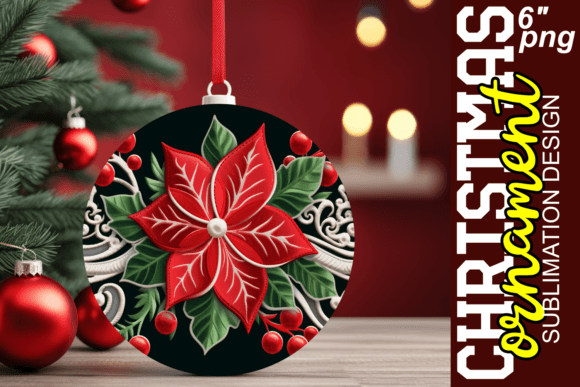
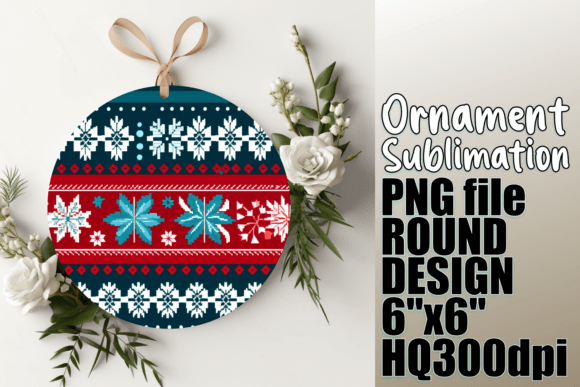
It is crucial to note that support for digital design files is typically limited to issues specifically regarding the files themselves. Creators cannot assist with the physical sublimation process, hardware malfunctions, or software configuration outside the scope of the provided assets. Therefore, due diligence is required prior to acquisition. A successful workflow involves verifying that your setup can handle the specific dimensions and resolution requirements of the project. For instance, a standard download package often includes a PNG file ideal for sublimation prints, specifically designed for 6-inch x 6-inch Round Sublimation blanks. These files are engineered to be suitable for various sublimation projects, but their potential is only unlocked when paired with competent execution.
Why Attention is Shifting to High-Resolution Customization
The reason 3D Christmas Bauble Sublimation is capturing the attention of marketers and freelancers lies in the quality of the final output. In an era of high-definition screens and retina displays, consumers have developed a keen eye for detail. Blurry pixels or misaligned seams on a physical product are immediate indicators of low quality. This is why the industry standard has shifted toward exceptional 300 DPI High-Resolution Image quality.
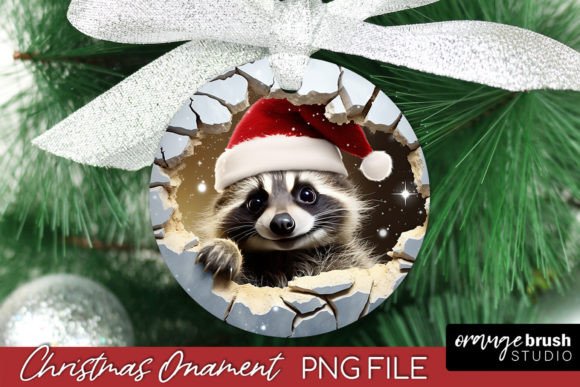
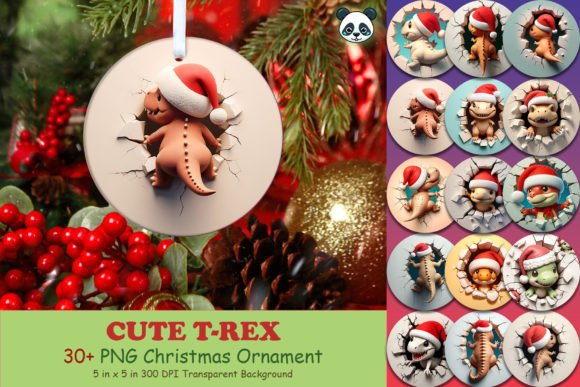
When a template offers 300 DPI resolution, it ensures that every gradient, shadow, and line remains crisp even when stretched over the curve of a bauble. This level of fidelity allows creators to experiment with complex visuals, such as photorealistic scenes or intricate geometric patterns that mimic 3D structures. The "3D" aspect often refers not just to the shape of the ornament, but to the visual depth achieved through smart shading and perspective in the design file itself. This creates a tactile visual experience that engages the viewer, making the ornament a focal point of the Christmas tree rather than background noise.
Adapting Workflows to Modern Creative Demands
The relevance of this technique is further underscored by changing workflows in the creative industry. Modern designers and small business owners require flexibility. They need assets that can be modified as needed to suit different brand identities or customer requests. High-resolution PNG templates provide this agility. Because they are layered or transparent, they allow for easy integration into existing design suites. A freelancer can take a base template, adjust the color palette to match a corporate client's branding, or insert a family photo for a personalized gift, all while maintaining the structural integrity of the sublimation map.
This adaptability connects to a larger development in the gig economy: the need for scalable yet personalized production. A marketer running a holiday campaign can use these templates to create hundreds of unique variations without starting from scratch each time. The efficiency gained here translates directly to profitability and speed-to-market, which are critical factors during the short holiday sales window.
Practical Applications and Observations
Observing the current landscape, we see 3D Christmas Bauble Sublimation being utilized in diverse sectors beyond simple home decor. Corporate gifting has seen a resurgence, with companies opting for branded ornaments that feature high-end finishes achievable only through sublimation. Similarly, the wedding industry has embraced this trend, creating "our first Christmas" keepsakes that serve as enduring mementos. In these contexts, the quality of the print is non-negotiable; it represents the brand or the memory being preserved.
Furthermore, the technology supports sustainability trends. Sublimation is generally considered an eco-friendlier printing method compared to some solvent-based alternatives, as it produces less waste and uses water-based inks. For the environmentally conscious consumer, knowing that their beautiful, custom ornament was created using efficient, low-waste processes adds another layer of value to the purchase. This alignment with ethical consumption is a powerful selling point for entrepreneurs.
Navigating Support and Quality Assurance
While the possibilities are vast, success relies on a clear understanding of the transaction between the file creator and the end-user. As noted in professional standards, downloads typically include specific assets—such as a single, optimized PNG file—tailored for specific blank sizes like the 6-inch round format. Users must recognize that these templates are tools, not guarantees of the final physical product. The variability of heat presses, blank coatings, and environmental factors means that the operator bears the responsibility for the pressing process.
Should you encounter any problems related to the digital file itself, such as corruption or incorrect dimensions, reputable creators offer support and will happily assist. However, this support structure reinforces the need for the buyer to be educated. Before initiating a project, one should verify that their equipment matches the specifications of the file. This proactive approach minimizes frustration and maximizes the return on investment.
Future Outlook and Strategic Integration
Looking forward, the integration of 3D Christmas Bauble Sublimation into broader business strategies appears robust. As software becomes more intuitive and hardware more accessible, the barrier to entry lowers, but the ceiling for quality rises. Those who invest time in mastering the subtleties of wrapping 2D designs onto 3D forms will distinguish themselves in a crowded marketplace. The focus will likely shift from merely "printing on things" to "designing experiences," where the ornament serves as a canvas for storytelling.
For the modern creator, this means staying ahead of the curve by continuously refining their technical skills and keeping abreast of design trends. It involves understanding that a 300 DPI file is not just a number, but a commitment to excellence. It means recognizing that the ability to modify templates quickly is a competitive advantage. By embracing these principles, professionals can transform a simple holiday decoration into a significant revenue stream and a testament to their craft.
In conclusion, 3D Christmas Bauble Sublimation represents more than a printing technique; it is a reflection of a market that demands quality, personalization, and technological sophistication. By leveraging high-resolution assets, adhering to strict technical prerequisites, and aligning with consumer desires for meaningful products, entrepreneurs and creators can thrive in the festive season and beyond. The tools are available, the templates are precise, and the opportunity is ripe for those prepared to execute with vision and care.