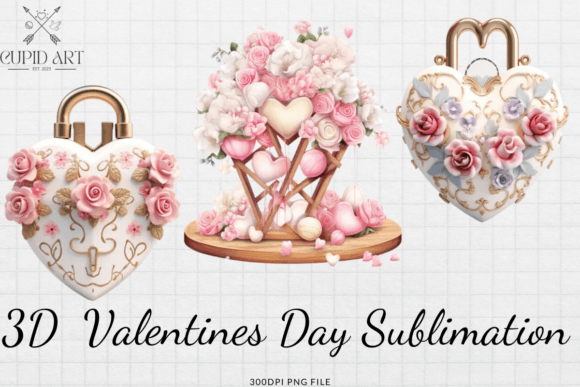
Integrating 3D Valentine's Day Sublimation into Professional Creative Workflows
In the competitive landscape of print-on-demand and custom merchandise, the difference between a standard product and a best-seller often lies in the visual depth and perceived quality of the design. 3D Valentine's Day Sublimation represents a specific tier of digital asset utilization where high-resolution graphics are engineered to create an illusion of depth, texture, and realism on flat substrates. For entrepreneurs, designers, and small business owners, understanding how to integrate these assets effectively is not just about aesthetics; it is a strategic workflow decision that impacts production efficiency, customer satisfaction, and brand reputation.
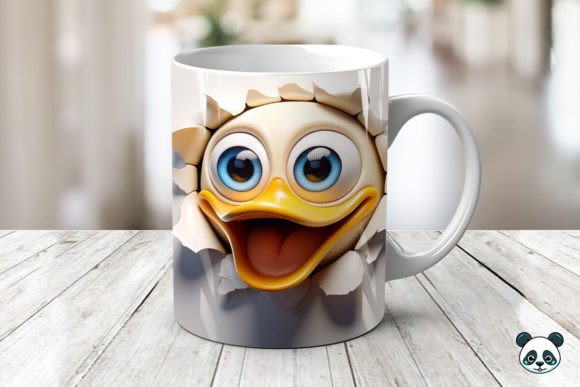
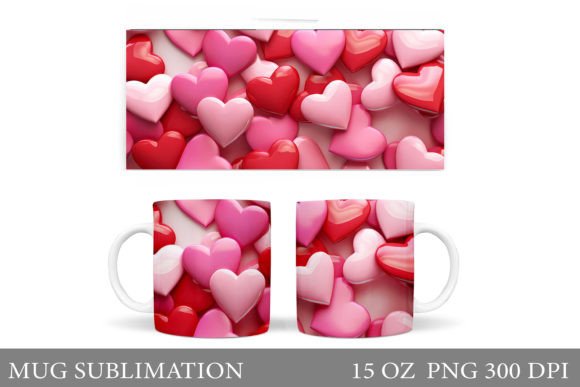
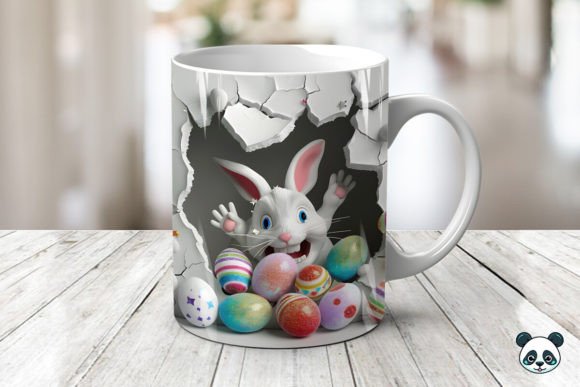
When we discuss 3D Valentine's Day Sublimation, we are referring to the application of specialized PNG files—often boasting resolutions like 2000x2000 pixels at 300 DPI—onto polyester-based materials. Unlike traditional flat vector art, these designs utilize shading, highlights, and layering techniques to mimic three-dimensional objects such as floating hearts, textured ribbons, or realistic floral arrangements. The integration of such high-fidelity assets requires a disciplined approach to file management, printer calibration, and substrate selection to ensure the final output matches the digital preview.
Pre-Production Planning and Asset Verification
The workflow for successful sublimation begins long before the heat press is turned on. It starts with the acquisition and verification of digital assets. When sourcing a 3D Valentine's Day Sublimation PNG, the technical specifications are critical. A resolution of 2000x2000 pixels at 300 DPI is the industry standard for ensuring crisp edges and smooth gradients, particularly when printing on items like t-shirts, sweaters, or nursery room elements where viewers may be in close proximity to the design.
Professionals should treat asset verification as a mandatory quality control step. Before importing a file into design software like Adobe Photoshop, Illustrator, or Canva, verify the transparency of the PNG background. A true sublimation-ready file must have a clean alpha channel to prevent unwanted white halos around the 3D elements. Furthermore, assess the color profile. Most sublimation printers operate optimally in CMYK or specific ICC profiles provided by ink manufacturers. If your 3D Valentine asset is in RGB, a careful conversion process is necessary to maintain the vibrancy of the reds and pinks essential for the holiday theme without shifting them into muddy browns or oranges.
Organization is another pillar of pre-production. For businesses managing multiple seasonal campaigns, filing systems should be robust. Store your 3D Valentine's Day Sublimation files in directories categorized by theme, resolution, and intended substrate. This reduces search time during peak production periods and ensures that the correct version of a design is always accessible. Consistency in naming conventions also aids in tracking which designs have been tested and approved for specific products.
Workflow Integration Across Different Product Categories
The versatility of high-resolution 3D sublimation designs allows them to fit seamlessly into various product workflows. However, the execution strategy differs depending on the end use. Whether you are creating apparel, home decor, or paper goods, the interaction between the digital file and the physical medium dictates the process.
Apparel and Textile Applications
For t-shirts and sweaters, the fabric composition is the primary constraint. Sublimation only bonds with polyester or polymer-coated surfaces. When using 3D Valentine's Day Sublimation designs on apparel, the goal is often to make the graphic appear as if it is embroidered or appliquéd rather than printed. To achieve this, the placement of the design on the garment mockup is crucial. Centering the design correctly and accounting for seam allowances prevents distortion.
During the pressing phase, temperature and pressure consistency are vital. High-DPI 3D designs contain intricate shadow details that can be lost if the heat press is under-pressed or gained excessively if over-pressed, leading to dye bleeding. A test run on a scrap piece of the same fabric is a non-negotiable step for new batches of inventory. This ensures that the "3D" effect translates physically, maintaining the depth perception intended by the original 2000x2000 pixel artwork.
Nursery Decor and Home Elements
The application of these designs extends beyond wearables into interior design, specifically for nursery room elements. Parents and decorators seek realistic, soft, and engaging visuals for children's spaces. A 3D Valentine's design featuring realistic hearts or cute characters can be sublimated onto pillows, blankets, or wall hangings. In this context, the 300 DPI resolution ensures that even large-format prints remain sharp. The workflow here involves selecting substrates with a high polyester count or using sublimation blanks specifically coated for home decor. The durability of the print is a selling point, as sublimated images do not crack or peel, making them safe and long-lasting for nursery environments.
Paper Goods and Greeting Cards
While sublimation is primarily associated with hard surfaces and fabrics, it also plays a role in creating unique paper products when combined with polymer-coated cardstocks. For baby greeting cards or special Valentine's invitations, the 3D effect adds a tactile visual appeal that standard inkjet printing cannot match. The process involves printing onto specialty sublimation paper and transferring it to coated cardstock. This method is particularly effective for limited edition runs or premium product lines where the perceived value justifies the additional processing steps.
Technical Execution and Quality Control
Once the design is selected and the substrate prepared, the actual transfer process demands precision. The interaction between the 3D Valentine's Day Sublimation file and the heat press settings determines the final outcome. Professionals must calibrate their equipment regularly. Variations in heating element performance can lead to uneven color saturation, which is particularly noticeable in gradient-heavy 3D designs.
Time, temperature, and pressure are the triad of sublimation success. For a standard 2000x2000 pixel design, typical settings might range between 380°F to 400°F for 45 to 60 seconds, but this varies by machine and material thickness. It is essential to document these settings for each product type. Creating a "recipe book" for your shop ensures that if you revisit a 3D Valentine's design next year, you can replicate the exact quality without guesswork.
Post-press handling is equally important. Sublimated items should be allowed to cool completely before peeling any protective papers or films. Rapid cooling can sometimes affect the bond, although sublimation dyes generally bond permanently upon cooling. Inspect every item for ghosting (caused by movement during pressing) or banding (caused by printer head issues). Rejecting imperfect units immediately protects your brand integrity.
Scalability and Business Efficiency
For freelancers and small business owners, scalability is key. Utilizing ready-made, high-quality 3D Valentine's Day Sublimation PNGs accelerates the design phase, allowing more time to focus on marketing and fulfillment. Instead of spending hours creating complex shadows and highlights from scratch, creators can leverage these assets to produce professional-grade mockups and final products rapidly.
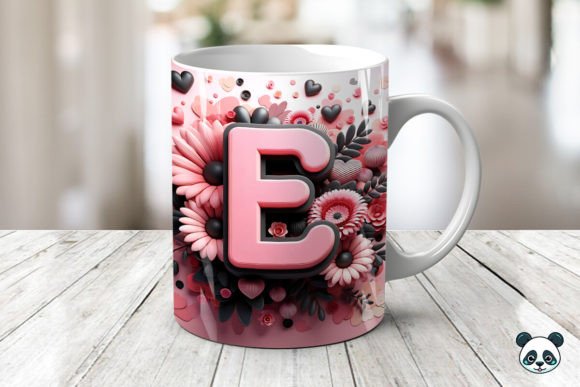
However, efficiency should not compromise uniqueness. Customization is where the real value is added. Layering a 3D heart design with personalized text, names, or dates transforms a generic asset into a bespoke product. This hybrid approach—combining premade 3D elements with custom typography—strikes a balance between speed and personalization, catering to customers who want something special for gender reveals, birthdays, or anniversaries.
Furthermore, consider the lifecycle of these digital assets. A well-chosen 3D Valentine's design can be repurposed across multiple platforms. The same 2000x2000 image used for a t-shirt can be scaled down for social media marketing materials, website banners, or email newsletters. This cross-platform utility maximizes the return on investment for the digital asset purchase.
Long-Term Viability and Trend Adaptation
The market for seasonal merchandise is cyclical but ever-evolving. While Valentine's Day is a fixed annual event, consumer preferences for design styles shift. The trend towards realism and 3D effects indicates a desire for higher-quality visuals over flat, cartoonish graphics. By integrating 3D Valentine's Day Sublimation into your current workflow, you are aligning your product offerings with contemporary design standards.
Maintaining a library of high-resolution, versatile assets ensures you are prepared for future demand spikes. Regularly updating your collection with new 3D variations keeps your catalog fresh. Additionally, staying informed about advancements in sublimation technology, such as new ink formulations or improved blank substrates, allows you to push the boundaries of what these 3D designs can achieve.
In conclusion, the successful implementation of 3D Valentine's Day Sublimation is a blend of artistic selection and rigorous process management. From the initial download of a 300 DPI PNG to the final quality check of a pressed garment, every step contributes to the final product's success. By treating these digital assets as integral components of a broader operational workflow, creators and businesses can deliver exceptional value, ensuring that their Valentine's offerings stand out in a crowded marketplace through superior quality and thoughtful execution.